
The Destructive Power of Desire
A Streetcar Named DesireThe play uses the streetcar named Desire as a central metaphor for the uncontrollable force that drives the characters, leading to both pleasure and ruin.
increasing Bearing strength in each event
 decreasing
Bearing strength in each eventdecreasingBlanche's Journey on the Streetcar
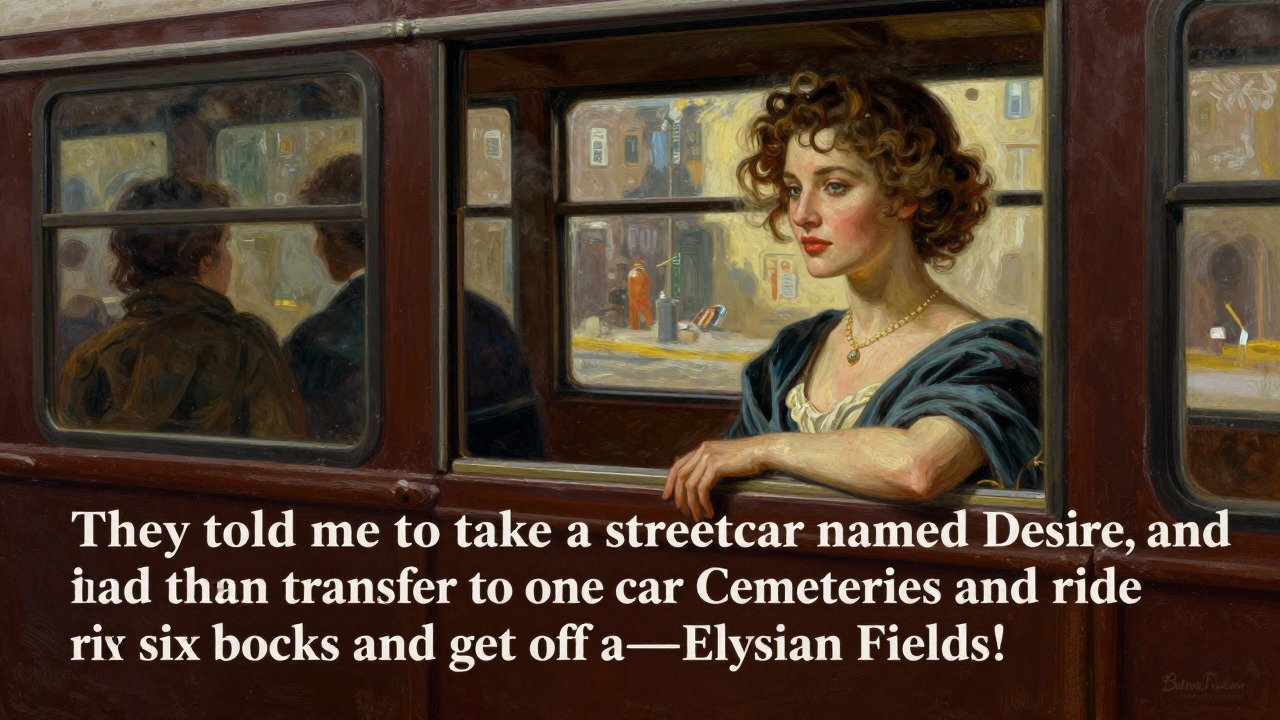
A Metaphorical Ride
The Route to Disaster
Blanche describes her journey: "They told me to take a streetcar named Desire, and then transfer to one called Cemeteries and ride six blocks and get off at—Elysian Fields!" This is a metaphor for the trajectory of her life. Desire leads to death, and death leads to the afterlife. But the afterlife is not heaven; it is a shabby apartment in the French Quarter.
The Inescapable Force
Desire is the driving force of the play. It is what brings Blanche to Stanley's world, and it is what destroys her. The streetcar symbolizes the irrational, uncontrollable power of sexual and emotional desire. It is a force that cannot be denied, and it leads to both ecstasy and destruction. The play's title is a constant reminder that desire is the engine of the tragedy.
Stella's Surrender to Desire
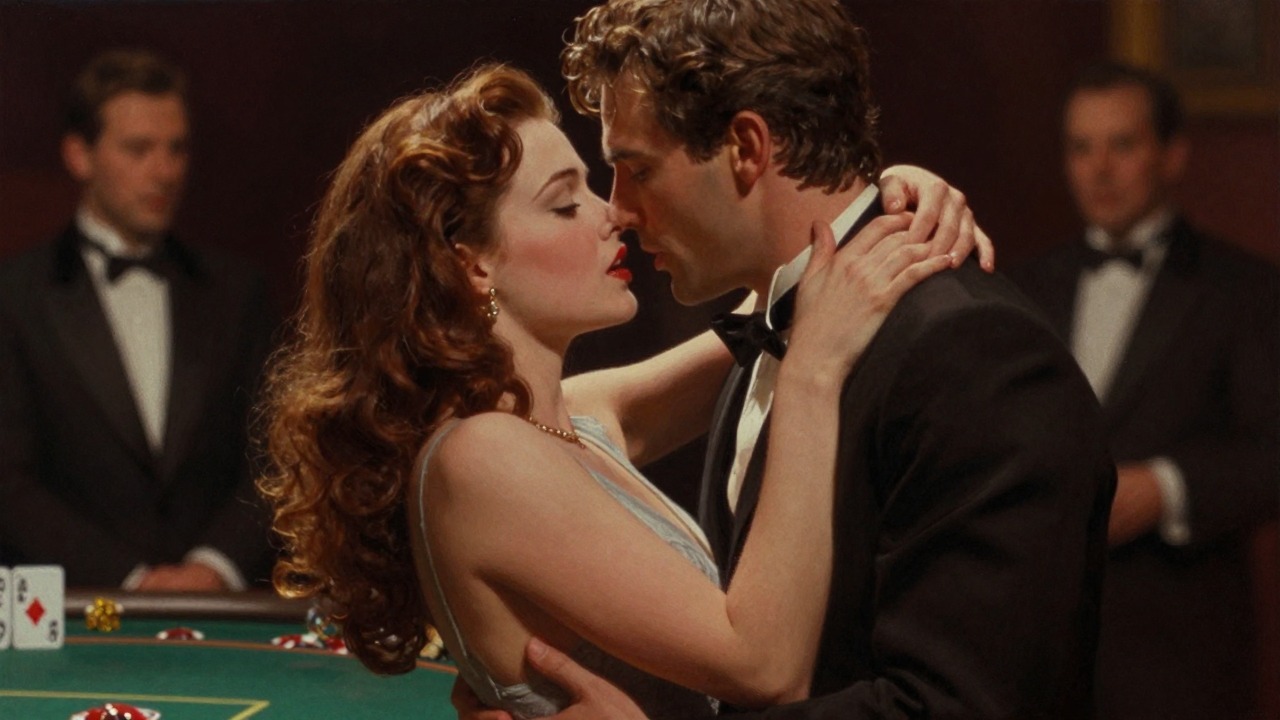
The Choice of Passion
A Sensual Bond
Stella's relationship with Stanley is a testament to the power of desire. She chooses him over her sister, over her own background, and over her own safety. The night after the poker fight, she returns to him, and they embrace with animal passion. This is the triumph of desire over reason, of the body over the mind.
The Cost of Surrender
Stella's surrender to desire has a cost. She must sacrifice her sister and her own moral integrity. She becomes complicit in Stanley's violence. The play suggests that desire, while powerful, can be blinding. It can lead to a kind of bondage, where the individual is trapped in a cycle of need and dependency. Stella's story is a cautionary tale about the dangers of submitting entirely to desire.
Blanche's Downfall by Desire
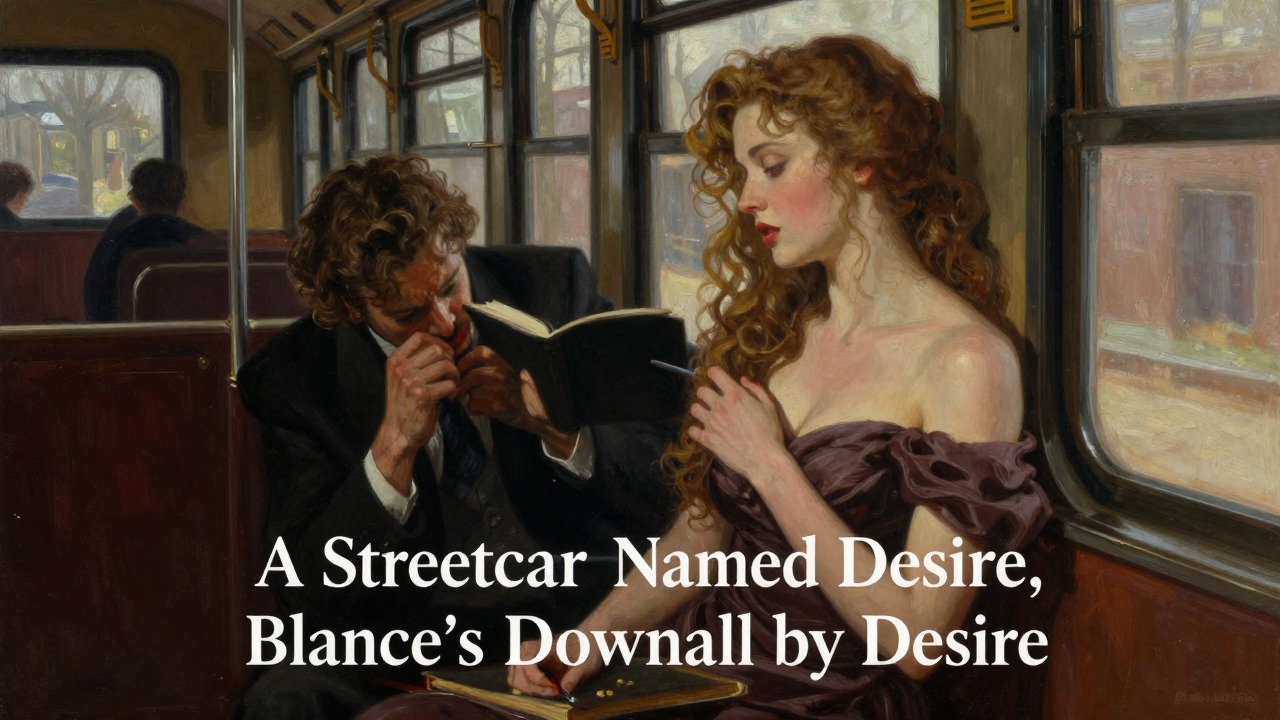
The Inevitable End
The Streetcar's Destination
Blanche's journey on the streetcar named Desire has led her to the Cemeteries. She has been destroyed by her own desires and by the desires of others. The rape is the final, violent expression of desire that consumes her. She is left with nothing but her illusions.
The Final Metaphor
In the final scene, Blanche leaves the apartment, and the streetcar sound is heard in the distance. The cycle is complete. Desire has brought her to this point, and the only way out is through the institution. The play ends with the blue piano music, a reminder that desire is the constant, inescapable force in the lives of the characters. The theme of desire is the play's deepest statement about human nature: we are driven by forces we cannot control, and they can lead us to our doom.
before the play, on her way to Elysian Fields
throughout the play, but climaxing after the poker night
culminating in the rape, late that night
